Hiking involves the need of safe and robust gear to make it secure and comfortable. New equipment is usually expensive and cannot fit the pocket of all adventurers. Hikers seek low-cost options without having to sacrifice on the performance.
The history and condition of equipment is more significant than whether the equipment is new or not. Second hand hiking gear can be very functional provided that it is selected and well taken care of.
The buyers should consider wear, structural integrity and usability. Risks are reduced in the process of proper assessment. The correct equipment will enhance stamina and pleasure. Educated research develops trust. Wise choice favors the long-term outdoor experiences.
Evaluating Gear Condition
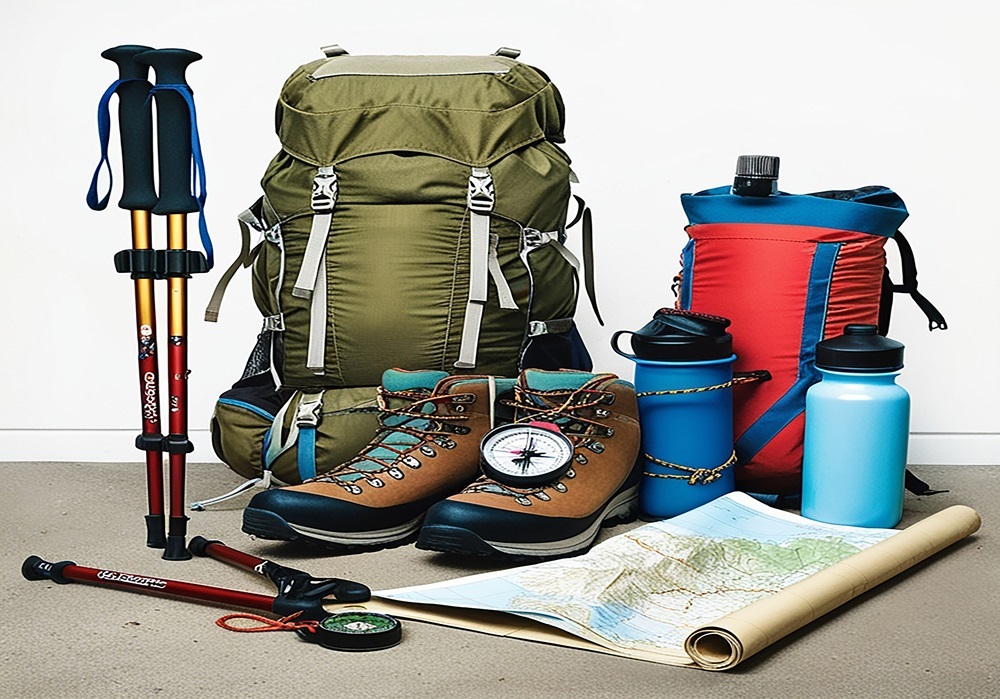
The safety and dependability of hiking require evaluation of the condition. Look through backpacks to see whether it is torn or has weak stitching. Check tents in case of holes or loss of water resistance. The hiking shoes should still maintain the support and treads.
Trekking poles must not have cracks or folds. Zippers, buckles and straps need to work efficiently. Minor cosmetic damage has less impact on performance and therefore must be mentioned.
Check metallic parts of the machine. Functionality can be restored by cleaning and simple repairs. Gear is evaluated so that it performs correctly in adverse outdoor conditions. Proper inspection minimizes chances of a failure of equipment.
Matching Gear To Hiker Needs
The choice of the proper gear relies on the location, activity, and the length of the hiking process. The physical requirements of the user should fit in the second-hand hiking gear. Packing requirements and trip length should be equal to the backpack capacity.
The ankle support and boot size influence comfort and stability. Trekking poles should be able to offer weight distribution and ergonomically support. Specialty equipment, such as hydration or sleeping bags, is convenient. Material and insulation decisions are affected by the environmental conditions.
Multi use products have the benefit of being versatile but they can affect the performance of certain tasks. The knowledge of the personal needs averts exhaustion and harm. GoPro products are purpose-driven, which adds to their safety and experience level.
Cost Savings And Trade-Offs
The major benefit of purchasing second hand equipment is affordability. The used hiking equipment would be cheaper as compared to new products. Most of the recreational activities are still satisfactory in terms of performance.
Hardened materials may still maintain their properties even after a display of wear and tear. The saved money can be used in other necessities, e.g., navigation tools or covering. Other trade-offs are fewer warranty cover.
Older designs might not have the recent technical developments. But in most cases, functionality is preserved in case the gears have been well maintained. Assessment is less age-related than circumstantially and appropriately. Attentive consideration is able to maximize good and minimize harm.
Acquiring Quality Equipment
Purchasing of gear influences quality and trust. On specialty outdoor stores there is often inspected second hand equipment. There are local hiking swaps which offer face-to-face assessment. Marketplaces that are online must be carefully verified by the seller and have detailed photos.
Return policies provide the protection of the buyer against the unknown flaws. It is also common to find lightly secondhand outdoor gear being sold by rental fleet at a discounted price. The credibility is shown by the reputation of the sellers and the reviews.
History on the usage boosts confidence among the buying parties. Quality, safety and consistency of performance are guaranteed. Confirmed merchants decrease the chances of getting bad or unsafe equipment. The careful choice will guarantee saving of cost without affecting the functionality.
Conclusion
To buy second hand hiking equipment that is of high quality, one requires to plan and evaluate. Performance and safety are condition and suitability determined. Proper assessment eliminates the financial risks and guarantees reliability.
From the hiking activities, the matching of equipment enhances comfort and efficiency. Before any trip, safety inspection continues to be an important factor. Satisfaction and confidence are established by responsible sourcing. Economical buying enables the expenditure on the other equipment necessities.
Selective equipment improves outdoor fun and play. Informed decisions are maximum-value, maximum-use, and maximum-safety. Considerable choice is the guarantee of success of hiking adventures in the long term.
Frequently Asked Questions
Why do hikers often prefer secondhand gear over new items?
Ans: New hiking equipment can be expensive. Hikers seek low-cost, secondhand options to save money without sacrificing essential performance and comfort for their adventures.
What aspects are crucial when evaluating the condition of used hiking gear?
Ans: Assess backpacks for tears, tents for holes or water resistance, shoes for support, poles for cracks, and all zippers/buckles for proper function.
How should hikers ensure the gear they choose matches their specific needs?
Ans: Gear choice depends on location, activity, trip length, and user requirements. Matching gear to these factors ensures comfort, stability, and adequate protection.
What are the main trade-offs when buying used hiking equipment?
Ans: While significantly more affordable, used gear may have fewer warranty protections or be older designs. Condition and maintenance are key, not just age.
Where can hikers find reliable quality secondhand hiking equipment?
Ans: Look for inspected gear at specialty stores, local swaps, or reputable online marketplaces. Seller reputation, reviews, and return policies are vital for confidence.