
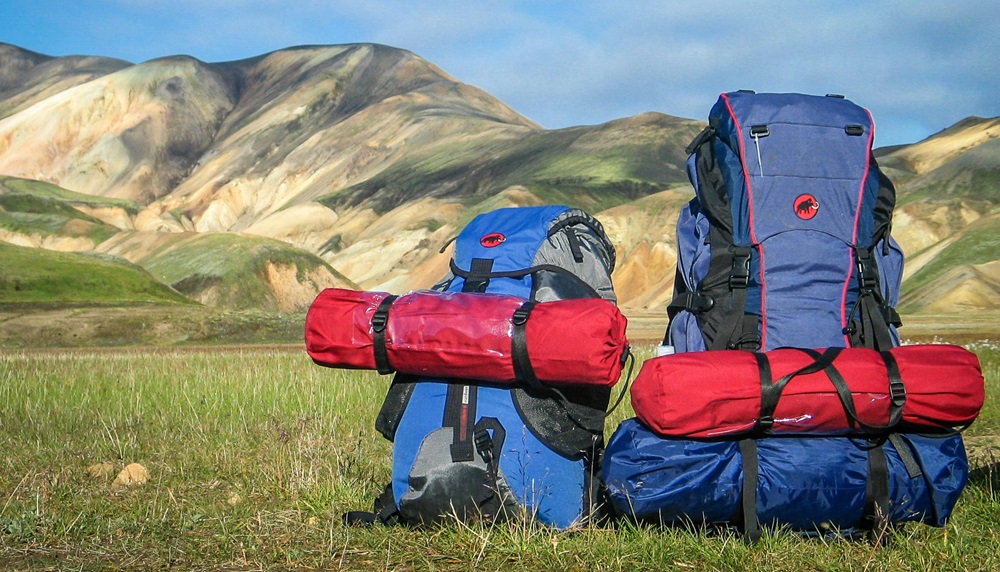
New backcountry gear can cost you $1,500 or more for a basic setup. But a lot of experienced hikers build solid kits entirely from used outdoor gear – and they do it without cutting corners on safety.
The catch is that not all secondhand gear is equal. Some items are fine used. Others can get you into real trouble. Here’s how to tell the difference.
How Do You Know Which Gear Is Safe to Buy Used?
The honest answer: it depends on the item and how well you can inspect it.
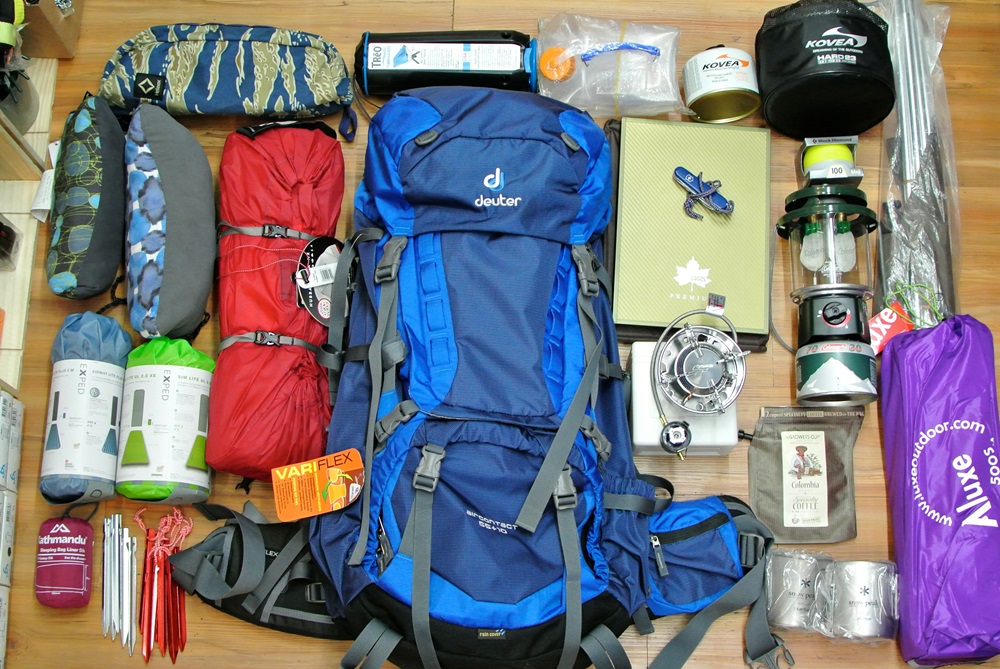
Soft goods like packs, trekking poles, gaiters, and base layers are generally safe to buy secondhand. They wear visibly, and damage is easy to spot. Hard goods like tents, sleeping bags, and cook systems are also fair game as long as you check them properly before any trip.
The gear you should never buy used comes down to two categories: helmets and avalanche safety equipment. A helmet that has taken a hard impact may look fine but be structurally compromised. Avalanche beacons lose calibration over time, and you have no way of knowing the service history on a used one. The same goes for avalanche probes and shovels – if they’re bent or corroded, they fail at the worst moment.
According to the American Institute for Avalanche Research and Education, beacon signal interference and battery issues are already common problems in gear that’s been well-maintained. Buying a used one adds another layer of risk you don’t need.
What Should You Actually Inspect Before Buying?
Get hands-on with the item before you pay for it. If you’re buying online, ask the seller for detailed photos or a short video.
For sleeping bags, check the zipper, baffle integrity, and loft. A bag that’s lost its loft has lost most of its warmth. A 15°F rated bag that’s been compressed in storage for years may perform more like a 30°F bag in the field – and that gap matters a lot above treeline.
For tents, set it up fully. Check every pole for cracks, every seam for separation, and every zipper for smooth movement. Reseal the seams yourself before using it in the backcountry regardless of what the seller says about its condition.
For packs, look at the hipbelt stitching, shoulder straps, and frame sheet. A broken frame sheet mid-trip with 40 lbs on your back is a bad situation. Check the buckles too – replacement buckles are cheap, but knowing the pack needs them before you buy helps you negotiate the price down.
How Do You Find Decent Used Gear Without Getting Burned?
Gear swaps, local outdoor club sales, and dedicated secondhand outdoor retail platforms tend to have better quality stock than general resale marketplaces. People selling at gear swaps usually know what they have and can answer questions.
Timing matters too. Late winter and early spring are when people offload gear after a season ends. That’s when you find the most volume and the most recently used items – meaning less storage degradation.
If you’re buying from an individual, ask directly: how many trips has this seen, how was it stored, and has it ever been repaired? Most honest sellers will tell you. And if someone can’t answer basic questions about a piece of gear, that’s a signal to pass.
Does Used Gear Actually Hold Up in the Backcountry?
It can, and it does for a lot of people. The key is knowing the difference between cosmetic wear and functional wear.
A sleeping bag with a faded shell is cosmetically worn. A sleeping bag with compressed baffles and a broken zipper is functionally worn. One is fine. The other is a problem.
Trekking poles with scratched shafts are cosmetically worn. Poles with locking mechanisms that slip under load are not safe to use. Check function, not just appearance.
The backcountry doesn’t care what your gear looks like. It cares whether your shelter holds in wind, your bag keeps you warm, and your pack carries the load without failing. Used gear can absolutely pass all three tests if you do the inspection work upfront.
FAQs
Can you buy a used sleeping bag and trust its temperature rating?
Only if the loft is still intact. Shake the bag out and let it expand for 24 hours. If it doesn’t reach close to its original loft, the insulation has degraded and the rating no longer applies.
Is a used tent reliable for multi-night backcountry trips?
Yes, if you inspect and re-seam-seal it before going out. Most tent failures in the field come from seams, not poles or fabric.
How much can you actually save building a used kit?
Realistically 40–60% off retail. A shelter that costs $400 new might run $150–180 used in good condition. Over a full kit, that adds up fast.
What’s the one item you should always buy new?
An avalanche beacon, without question. It’s the one piece of gear where unknown service history is a genuine safety risk.
Where’s the best place to find quality used outdoor gear?
Gear swaps and outdoor club sales are your best bet for quality and transparency. Online secondhand platforms work too, but always ask for condition photos and trip history before buying used outdoor gear.