
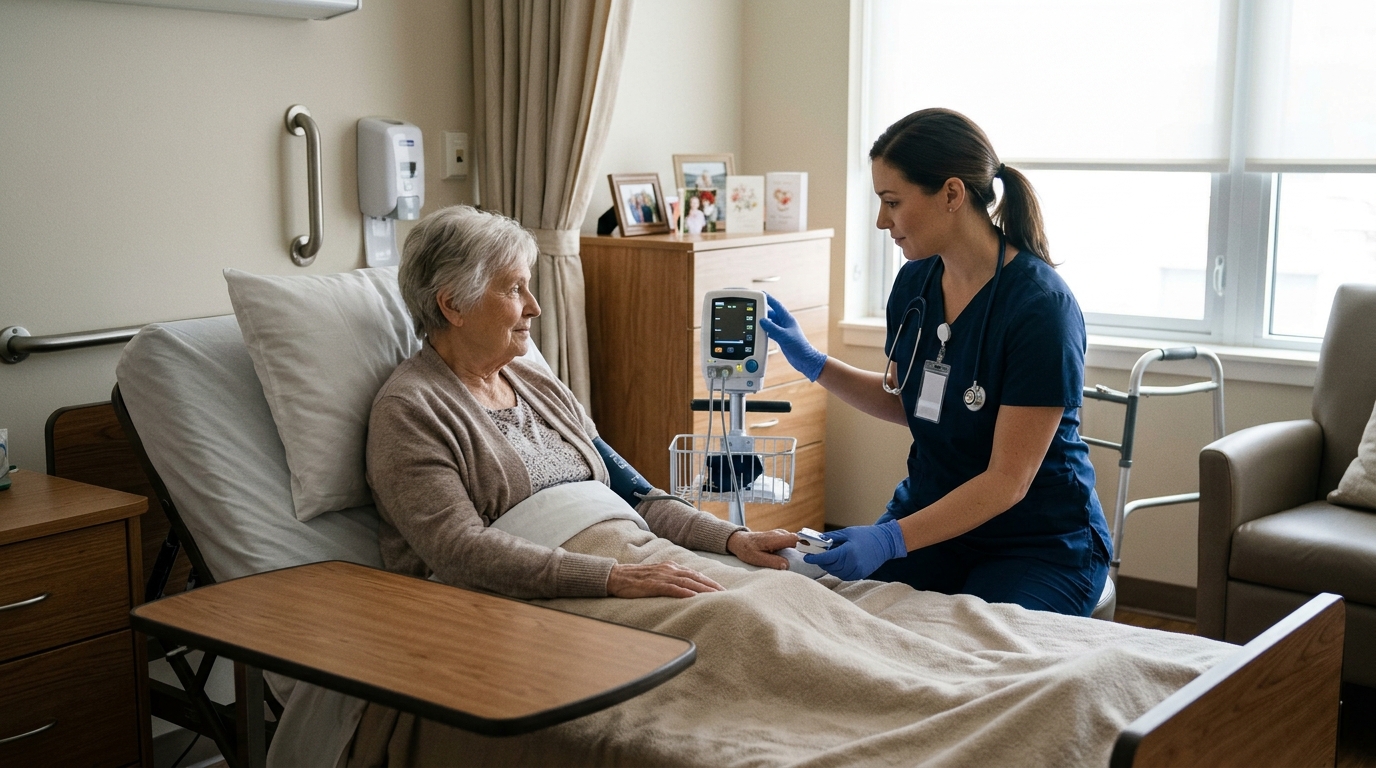
Nursing home infections can become life-threatening when residents do not receive appropriate monitoring, infection prevention, or timely medical treatment. Older adults and residents with chronic illnesses may be particularly vulnerable to complications from urinary tract infections, pneumonia, infected pressure injuries, and other serious conditions.
In New York, nursing homes must comply with state and federal requirements concerning infection control, resident care, and medical services. When a facility fails to meet an applicable legal obligation and that failure causes an infection to worsen or progress to sepsis, the resident or an authorized representative may have grounds for a legal claim.
However, an infection or sepsis diagnosis does not automatically establish negligence. Liability depends on the resident’s medical condition, the care provided, the applicable legal requirements, and evidence connecting the facility’s conduct to the injury.
Quick Answer
Can a nursing home be sued if a resident develops an infection or sepsis in New York?
Yes. A resident or authorized representative may pursue a claim when negligent care, medical malpractice, or deprivation of a legally protected resident right causes an infection-related injury.
Potential failures include inadequate wound care, improper infection prevention, failure to recognize significant changes in condition, and unreasonable delays in obtaining necessary medical evaluation or treatment.
New York Public Health Law § 2801-d also provides a separate potential cause of action when a residential health care facility deprives a resident of a protected right or benefit and that deprivation causes injury.
The existence of sepsis alone does not prove that a nursing home violated the law.
Key Takeaways
- Infection Prevention: New York nursing homes must establish and maintain infection control programs that meet applicable requirements.
- Sepsis Is a Medical Emergency: Severe infections can trigger a life-threatening response requiring urgent medical evaluation and treatment.
- Common Infection Sources: Pneumonia, urinary tract infections, infected pressure injuries, and other infections may progress to sepsis.
- Potential Negligence: Failure to monitor symptoms, follow infection prevention procedures, or respond appropriately to deterioration may support a claim.
- Resident Rights: Public Health Law § 2801-d permits certain claims based on deprivation of rights established by statutes, regulations, contracts, or other applicable legal provisions.
- Multiple Legal Theories: Nursing home cases may involve ordinary negligence, medical malpractice, and statutory resident-rights claims.
- Important Evidence: Medical charts, care plans, laboratory results, nursing notes, infection control records, and expert evaluations can help establish liability.
- Different Filing Deadlines: Medical malpractice, ordinary negligence, statutory resident-rights claims, and wrongful death actions may have different time limits.
What Is Sepsis and Why Is It Dangerous for Nursing Home Residents?
Sepsis is the body’s extreme response to an infection.
According to the Centers for Disease Control and Prevention, sepsis is a life-threatening medical emergency that can rapidly cause tissue damage, organ failure, and death without timely treatment.
An infection may begin in the lungs, urinary tract, skin, gastrointestinal tract, or another part of the body.
When the body’s response to that infection becomes dysregulated, serious complications may develop.
Why Are Older Residents at Greater Risk?
Many nursing home residents have medical conditions that increase their vulnerability to infections and serious complications.
Risk factors may include:
- Advanced age
- Diabetes
- Chronic kidney disease
- Chronic lung disease
- Cancer
- Weakened immune function
- Recent hospitalization
- Recent surgery
- Existing wounds
- Previous episodes of sepsis
- Other serious chronic illnesses
A resident’s risk factors do not necessarily mean an infection was preventable.
However, these conditions may influence the monitoring, assessments, and medical care reasonably required.
What Are Common Warning Signs of Sepsis?
The CDC identifies several possible signs and symptoms of sepsis.
These include:
- New or worsening confusion
- Fever, shivering, or feeling unusually cold
- Rapid breathing or shortness of breath
- Elevated heart rate
- Weak pulse or low blood pressure
- Clammy or sweaty skin
- Extreme pain or discomfort
- Sudden deterioration in general condition
Older residents may not develop a typical fever even when they have a serious infection.
Changes in mobility, appetite, alertness, or usual behavior can also be important reasons for clinical assessment.
The CDC’s guidance on protecting long-term care residents from sepsis explains the importance of recognizing changes from a resident’s normal condition.
Suspected sepsis requires urgent medical evaluation. A resident who is suddenly confused, experiencing breathing difficulty, or showing other signs of serious deterioration needs prompt clinical attention. Emergency medical assistance should not be delayed to investigate whether negligence occurred.
What Types of Infections Commonly Affect Nursing Home Residents?
Different infections can present different medical and legal issues.
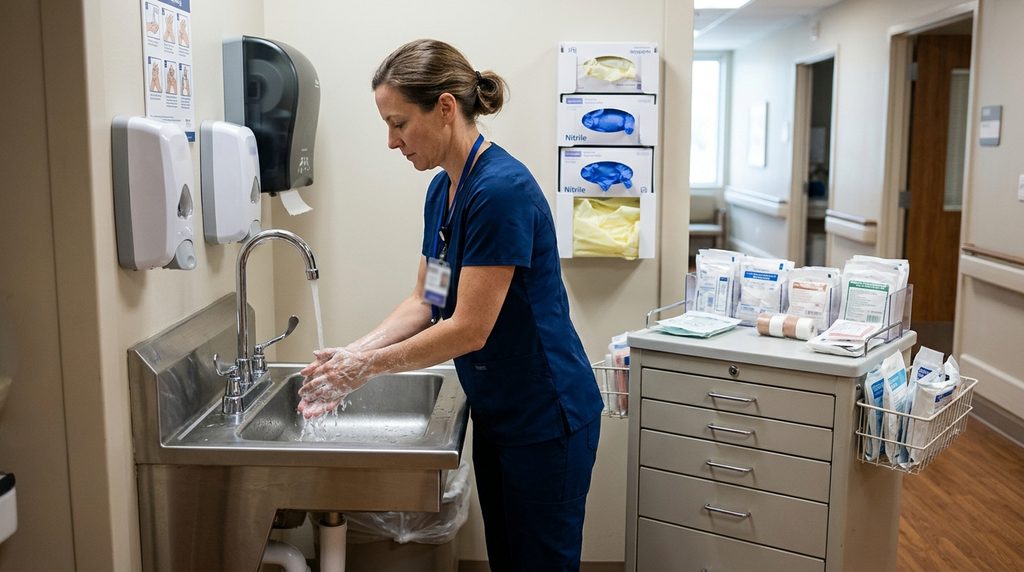
The investigation must identify the infection’s source, the resident’s underlying health conditions, and the treatment provided.
Urinary Tract Infections
Urinary tract infections can occur among older adults, including residents who require assistance with personal hygiene or have urinary catheters.
Potential concerns include:
- Inadequate catheter care
- Failure to follow appropriate hygiene procedures
- Improper handling of urinary drainage equipment
- Delayed assessment of concerning symptoms
- Failure to respond to relevant laboratory findings
- Inadequate monitoring of clinical deterioration
However, bacteria detected in urine do not always establish a symptomatic urinary tract infection.
A medical professional must distinguish true infection from asymptomatic bacteriuria and other conditions.
The applicable standard of care depends on the resident’s symptoms and medical circumstances.
Pneumonia and Respiratory Infections
Respiratory infections may become particularly serious among residents with swallowing difficulties, chronic lung conditions, or reduced mobility.
Potential issues include delayed recognition of respiratory symptoms, failure to respond to changing oxygen requirements, and inadequate implementation of appropriate infection precautions.
Pneumonia may progress to sepsis in severe cases.
Infected Pressure Injuries
Pressure injuries can develop when prolonged pressure damages skin and underlying tissue.
Some residents are at increased risk because of immobility, poor circulation, nutritional problems, or serious medical conditions.
An open wound may become infected.
Potential nursing home care concerns include:
- Inadequate skin assessments
- Failure to follow appropriate repositioning plans
- Insufficient wound monitoring
- Delayed recognition of infection
- Inappropriate dressing management
- Failure to obtain necessary clinical evaluation
- Inadequate treatment of deteriorating wounds
Not every pressure injury is preventable.
However, nursing homes must provide care consistent with applicable assessments, care plans, and regulatory requirements.
Surgical Wound Infections
Residents admitted after surgery may require specialized wound care.
Potential failures may involve improper wound monitoring, inadequate hygiene, or delayed responses to signs of infection.
A claim may also require determining whether the infection developed before or after admission to the nursing home.
Gastrointestinal Infections
Certain gastrointestinal infections can spread in long-term care facilities.
Infection control procedures, environmental cleaning, hygiene, and appropriate precautions may become important.
However, the presence of an infection does not independently establish that it was transmitted through negligent facility practices.
Bloodstream Infections
Bloodstream infections may result from different medical conditions and sources.
These infections can become serious and may require hospitalization.
A legal investigation may examine whether clinical warning signs were recognized and whether appropriate medical intervention occurred.
How Can Nursing Home Negligence Contribute to Sepsis?
Nursing home negligence may involve a preventable infection, an unreasonable failure to recognize an existing infection, or a delay in responding to a resident’s deterioration.
Importantly, the nursing home does not necessarily have to cause the original infection for its subsequent care to become legally relevant.
Failure to Recognize a Change in Condition
A resident may develop new confusion, breathing difficulty, weakness, or other symptoms.
Clinical staff may have responsibilities to assess and report significant changes in the resident’s condition.
A failure to respond appropriately may become relevant when the delay allows an infection to progress.
Delayed Physician Notification
Nursing personnel may recognize concerning symptoms but fail to promptly notify an appropriate medical professional.
The investigation may examine when symptoms were recorded, when a physician or advanced practice clinician was contacted, and what instructions followed.
Failure to Follow Infection Control Procedures
Infection prevention may involve hand hygiene, protective equipment, cleaning, isolation precautions, and proper handling of supplies.
A facility that fails to implement or maintain required procedures may increase the risk of infection transmission.
However, proving a violation does not automatically establish that it caused a particular resident’s illness.
Inadequate Wound Care
A resident with a pressure injury or surgical wound may require regular monitoring and appropriate treatment.
Failure to respond to worsening wound conditions may create a risk of complications.
Relevant records may include wound measurements, photographs, dressing changes, clinical consultations, and laboratory results.
Unreasonable Delay in Hospital Transfer
Some residents with suspected sepsis require hospital-level evaluation and treatment.
A nursing home may face legal scrutiny when a clinically indicated transfer was unreasonably delayed.
However, the appropriateness of hospitalization must account for the resident’s condition, treatment decisions, and documented goals of care.
Failure to Follow a Care Plan
Residents generally receive individualized assessments and care plans.
When a facility fails to follow required interventions, the omission may become relevant to infection-related harm.
The investigation must establish whether the planned intervention was necessary and whether the failure contributed to the injury.
What Infection Control Laws Apply to New York Nursing Homes?
Nursing homes in New York are subject to state and federal regulations intended to promote resident safety and appropriate care.
The applicable obligations depend on the facility’s classification, services, and circumstances.
New York Regulation 10 NYCRR § 415.19
Section 415.19 requires covered nursing homes to establish and maintain an infection control program.
The regulation addresses requirements including:
- Investigating and controlling infections
- Taking action to prevent infections
- Establishing appropriate infection control procedures
- Implementing necessary isolation precautions
- Cleaning and sterilizing equipment where required
- Preventing transmission by infectious personnel
- Following appropriate hand hygiene practices
- Handling linens to prevent infection transmission
- Maintaining records of infection-related incidents and corrective actions
- Reporting certain infectious conditions and increased infection incidence
The New York nursing home infection control regulation sets out the requirements.
New York Regulation 10 NYCRR § 415.12
Section 415.12 addresses quality of care.
It requires covered nursing homes to provide necessary care and services consistent with residents’ comprehensive assessments and care plans.
The regulation includes provisions concerning pressure injuries, urinary incontinence, nutrition, hydration, and other care needs.
For example, the pressure injury provisions require appropriate treatment and services to promote healing and prevent infection.
The urinary incontinence provisions also address appropriate services to prevent urinary tract infections.
These requirements may become relevant when inadequate resident care contributes to infection-related injury.
Federal Regulation 42 CFR § 483.80
Federal nursing home requirements also address infection prevention and control.
Under 42 CFR § 483.80, covered facilities must maintain an infection prevention and control program.
The requirements include systems for identifying, reporting, investigating, and controlling infections.
Facilities must also maintain written infection control policies, implement appropriate precautions, and meet other program requirements.
The federal infection control regulation provides the detailed standards.
Do Violations Automatically Prove Negligence?
Not necessarily.
A violation may support a particular legal theory, but the claimant must establish the requirements of that claim.
For example, a regulatory violation may be relevant to an ordinary negligence or medical malpractice case.
A claim under Public Health Law § 2801-d requires identifying a protected right or benefit, establishing its deprivation, and showing a resulting injury, subject to the statute’s defenses.
The legal effect of a violation depends on the applicable cause of action.
What Is New York Public Health Law § 2801-d?
New York Public Health Law § 2801-d creates a private cause of action for certain injuries resulting from a residential health care facility’s deprivation of a resident’s legally protected right or benefit.
It is an important statute in nursing home neglect and abuse litigation.
What Is a Protected Resident Right?
The statute addresses rights or benefits established for residents’ well-being by:
- Applicable state statutes
- Federal statutes
- State regulations
- Federal regulations
- Codes and rules
- Qualifying contractual provisions
A claim may arise when the facility deprives a resident of an applicable protected right and the deprivation causes injury.
How Is a Section 2801-d Claim Different From Medical Malpractice?
Medical malpractice generally concerns a departure from accepted professional care standards that causes injury.
A Section 2801-d claim concerns the deprivation of a qualifying statutory, regulatory, contractual, or other protected right.
The two claims may arise from the same course of care, but they involve different legal elements.
For example, a failure to provide required treatment for a pressure injury may implicate both accepted professional care standards and an applicable resident protection regulation.
Does the Statute Provide a Defense?
Yes.
Section 2801-d provides a defense when the facility proves that it exercised all care reasonably necessary to prevent and limit the deprivation and resulting injury.
The availability of this defense depends on the evidence.
What Damages Does Section 2801-d Address?
The statute expressly recognizes injuries including physical harm, emotional harm, death, and financial loss.
It also contains specific compensatory damages provisions and permits punitive damages in certain circumstances involving willful deprivation or reckless disregard of lawful resident rights.
Punitive damages are not automatic.
The statute also permits discretionary attorney fee awards in qualifying cases.
The New York Public Health Law § 2801-d provides the governing provisions.
What Rights Does Public Health Law § 2803-c Establish?
Public Health Law § 2803-c addresses rights of patients in covered medical facilities, including nursing homes.
It requires facilities to adopt and make available statements concerning residents’ rights and responsibilities.
Relevant rights include appropriate care, respectful treatment, and the ability to raise grievances without retaliation.
A resident-rights claim must identify the applicable provision and demonstrate how the alleged deprivation relates to the injury.
Can Families Raise Concerns About Resident Care?
Yes.
Residents and authorized representatives may raise complaints about care.
Families can also communicate concerns to facility staff and appropriate oversight authorities, consistent with the resident’s rights and applicable privacy requirements.
Does Filing a Complaint Establish Civil Liability?
No.
A regulatory complaint can lead to an investigation, but it does not automatically establish that a nursing home caused an injury or owes civil damages.
A legal claim must independently satisfy its requirements.
What Do New York Court Decisions Say About Nursing Home Infection Negligence?
Recent decisions demonstrate how courts evaluate infection control requirements, resident rights, medical evidence, and causation.
Cuche v. East Northport Residential Health Care Facility, Inc. (2024)
In Cuche v. East Northport Residential Health Care Facility, Inc., decided April 30, 2024, the Supreme Court, Nassau County considered claims involving an older nursing home resident who developed a serious infection and later died.
The plaintiff alleged that the facility failed to properly recognize, investigate, and treat signs of bacterial infection and endocarditis.
The resident was subsequently hospitalized and treated for sepsis.
The nursing home submitted expert opinions asserting that its care was appropriate and did not cause the resident’s death.
However, the plaintiff’s infectious disease expert identified concerns about delayed testing, failure to recognize infection-related findings, and the timing of appropriate treatment.
The court determined that factual disputes prevented dismissal of the negligence, resident-rights, and wrongful death claims.
The court separately dismissed certain other claims, including the request for punitive damages.
The decision illustrates why infection-related cases may require detailed examination of laboratory results, medical records, expert opinions, and treatment timing.
The official decision in Cuche provides the court’s reasoning.
Matter of RSRNC, LLC v. McDonald (2025)
In Matter of RSRNC, LLC v. McDonald, decided July 10, 2025, the Appellate Division, Third Department considered enforcement of nursing home infection control regulations.
A health department surveyor observed a housekeeping employee leave a unit housing residents with COVID-19 without following required protective equipment and hygiene procedures.
The nursing home argued that it had established a proper infection control program and should not be penalized for an isolated employee violation.
The appellate court disagreed.
It concluded that the facility’s obligation to maintain an infection control program included ensuring that staff followed its requirements.
The court upheld the Department of Health’s enforcement determination.
This was a regulatory enforcement case, not a damages lawsuit brought by an injured resident.
Nevertheless, it demonstrates that merely maintaining written infection control policies does not necessarily satisfy the facility’s ongoing regulatory obligations.
Balgobin v. Jamaica Hospital Medical Center (2026)
In Balgobin v. Jamaica Hospital Medical Center, decided June 24, 2026, the Appellate Division, Second Department considered medical malpractice and Public Health Law § 2801-d claims involving treatment of a pressure injury.
The plaintiff alleged that the nursing home and hospital failed to provide proper prevention and treatment.
The defendants sought dismissal of the claims.
However, the appellate court identified factual disputes concerning the pressure injury’s condition and the treatment provided.
The court concluded that the nursing home’s evidence did not sufficiently establish that it provided the necessary services to promote healing as required by the relevant regulation.
The court reinstated the challenged claims for further proceedings.
The ruling illustrates why medical documentation and specific nursing home care regulations can be important in resident injury litigation.
It did not establish that the resident developed sepsis or that the defendants were ultimately liable.
The official decision in Balgobin provides the relevant analysis.
What Do These Decisions Demonstrate?
These decisions highlight several important principles:
- Clinical Evidence Matters: Laboratory findings, symptoms, care records, and expert opinions may determine whether an infection-related claim proceeds.
- Causation Matters: A claimant must establish that a legally actionable omission contributed to the injury.
- Written Policies Are Not Enough: Facilities must implement and maintain applicable infection control requirements.
- Resident Rights Are Distinct: Public Health Law § 2801-d claims have different legal elements from medical malpractice claims.
- Medical Complications Are Not Automatically Negligence: A worsening infection or pressure injury requires an individualized analysis.
- Procedural Outcomes Matter: Denial of summary judgment does not mean the nursing home was ultimately found liable.
How Is Negligence Proven in a Nursing Home Sepsis Claim?
A successful claim generally requires evidence connecting the facility’s conduct to the resident’s infection-related injury.
Different legal theories involve different proof requirements.
| Legal Claim | Central Requirement |
| Ordinary Negligence | Breach of an applicable duty of reasonable care caused injury |
| Medical Malpractice | Departure from accepted professional standards caused injury |
| Public Health Law § 2801-d | Deprivation of a qualifying protected right or benefit caused injury, subject to statutory defenses |
| Wrongful Death | A legally actionable wrong caused the resident’s death and the statutory requirements are satisfied |
Establishing the Resident’s Medical Condition
The investigation begins with the resident’s medical history.
Relevant information may include chronic illnesses, recent surgery, medication use, prior infections, and the resident’s condition at admission.
This helps distinguish an existing medical problem from an injury caused or worsened by subsequent care.
Identifying the Alleged Failure
A claim should identify what the facility allegedly failed to do.
Examples may include unreasonable delays in assessing symptoms, failure to implement required wound care, or failure to follow applicable infection control procedures.
Broad statements that a facility provided poor care may be insufficient without supporting details.
Connecting the Failure to the Injury
Medical causation can be particularly complex.
A resident may have several conditions capable of causing infection or deterioration.
The claimant generally needs evidence that the alleged failure caused or contributed to the harm for which compensation is sought.
Establishing the Consequences
Medical records may establish additional hospitalization, organ dysfunction, prolonged illness, or other complications.
A claim involving death requires additional evidence connecting the legally actionable conduct to the fatal outcome.
What Evidence Is Important in a Nursing Home Infection or Sepsis Claim?
Medical records are often the most important evidence because they document the resident’s condition over time.
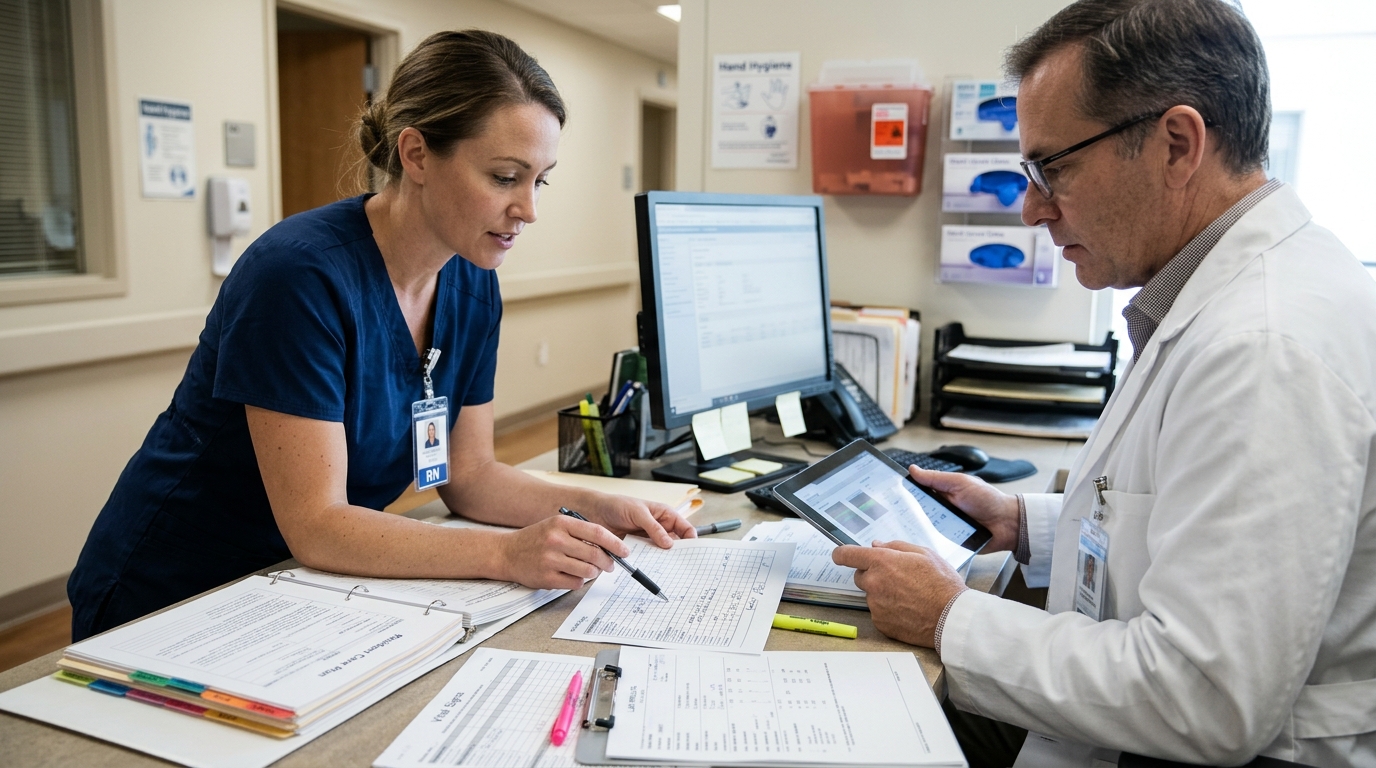
The investigation may require reconstructing when symptoms appeared, which staff members recognized them, and how the facility responded.
| Evidence | Why It Matters |
| Admission Records | Establishes the resident’s initial condition and existing health risks |
| Comprehensive Assessments | Identifies care needs and known risk factors |
| Individualized Care Plans | Documents planned monitoring and treatment |
| Nursing Progress Notes | Records symptoms, observations, and changes in condition |
| Vital Signs Records | May reveal deterioration over time |
| Laboratory Results | Provides evidence of infection and relevant clinical changes |
| Medication Administration Records | Documents prescribed and administered treatment |
| Physician Communication Logs | May establish when concerns were reported |
| Wound Care Records | Tracks pressure injuries and other wounds |
| Hospital Transfer Records | Establishes when and why a transfer occurred |
| Infection Control Records | May identify policy compliance and relevant incidents |
| Inspection and Survey Findings | May reveal documented regulatory deficiencies |
| Expert Medical Evaluations | Helps address care standards and causation |
| Medical Bills and Other Loss Records | Supports recoverable damages |
Admission Records
Admission assessments can help establish whether an infection, wound, or other condition existed before the resident entered the facility.
This distinction may be important when the nursing home disputes responsibility for the infection’s development.
Vital Signs and Nursing Notes
Vital signs may include temperature, blood pressure, heart rate, and breathing rate.
Nursing notes may document appetite changes, confusion, weakness, or other symptoms.
The timing of these observations can be important.
Laboratory and Diagnostic Results
Laboratory records may include blood tests, cultures, and other diagnostic findings.
Their significance depends on the resident’s clinical presentation.
An abnormal result does not automatically establish that sepsis was present or that a particular treatment was required.
Physician Notification and Transfer Records
These records may identify when a resident’s worsening condition was communicated and what actions followed.
Hospital admission records may provide additional information about the seriousness of the illness when the resident arrived.
Wound Care Documentation
For infections associated with pressure injuries, records may include wound size, condition, treatment, and clinical consultations.
Photographs and documented changes over time can be important when evaluating whether appropriate care was provided.
Expert Medical Analysis
Medical experts may assess whether the care met accepted professional standards and whether an omission contributed to the infection’s progression.
Expert opinions must be supported by relevant medical evidence rather than unsupported assumptions.
Understanding evidence for personal injury claims helps explain why documenting the facility’s conduct and proving causation are separate parts of a claim.
What Should Families Do When They Suspect a Nursing Home Resident Has Sepsis?
The resident’s immediate medical needs must come first.
Sepsis is a medical emergency, and suspected cases require prompt clinical assessment.
1. Request Immediate Medical Evaluation
Report sudden confusion, breathing difficulty, unusual weakness, or other serious changes to nursing personnel immediately.
If the resident appears critically ill or necessary emergency care is not being provided, seek emergency medical assistance.
2. Communicate Changes in the Resident’s Condition
Family members may recognize changes that are less obvious to staff.
For example, a resident who normally communicates clearly may suddenly become disoriented or unusually unresponsive.
Such observations should be reported promptly.
3. Ask About the Medical Response
Families and authorized representatives may ask which clinician assessed the resident, what concerns were identified, and what next steps were recommended.
Clinical decisions should be made by appropriately qualified healthcare professionals.
4. Preserve Relevant Communications
Save messages, emails, and written responses concerning infection symptoms, wound care, or changes in condition.
Accurate records may help establish when concerns were raised.
5. Request Medical Records Through Appropriate Procedures
Residents and authorized representatives may request records under applicable access and privacy rules.
Relevant records may include admission assessments, care plans, nursing notes, medication records, laboratory findings, and transfer documentation.
6. Document the Timeline
Record when symptoms were first observed, when staff were notified, and when medical evaluation or hospitalization occurred.
A clear timeline may help identify gaps requiring investigation.
7. Preserve Hospital Documentation
If the resident is transferred, the receiving hospital’s records may provide important information about the infection, severity, and treatment.
8. Review the Resident’s Goals of Care
Medical decisions should respect applicable advance directives, authorized treatment decisions, and the resident’s wishes.
Whether hospital transfer or particular interventions were appropriate must be assessed in that context.
9. Report Suspected Regulatory Violations
The New York State Department of Health accepts nursing home complaints through its official complaint process.
The department may investigate allegations involving violations of state or federal requirements.
The New York nursing home complaint information explains the reporting options.
10. Review Potential Legal Claims
If the resident suffered serious harm, the medical records and applicable standards may need further review.
A regulatory complaint and a civil lawsuit are separate processes.
Can a Family File a Nursing Home Complaint in New York?
Yes.
The New York State Department of Health accepts complaints about nursing home care.
Complaints may involve infection control problems, inadequate resident care, or other alleged regulatory violations.
How Are Complaints Submitted?
The department provides an online nursing home complaint form.
The Nursing Home Complaint and Discharge Appeal Hotline is also available at 1-888-201-4563.
Families may use the official New York nursing home complaint form to provide relevant details.
What Happens After a Complaint?
The department reviews complaints and determines whether an investigation is appropriate.
Investigations may involve medical record review, facility documentation, interviews, or onsite assessment.
If a regulatory violation is established, the department may issue a citation and require corrective action.
Does a Complaint Replace a Lawsuit?
No.
A regulatory complaint concerns oversight and compliance.
A civil claim concerns legally recoverable damages or other remedies.
Submitting a complaint does not necessarily preserve the filing deadline for a civil action.
What Compensation May Be Available After Nursing Home Infection Negligence?
Potential compensation depends on the legal cause of action, severity of injury, financial losses, and supporting evidence.
Medical Expenses
Recoverable damages may include additional hospitalization, diagnostic testing, medications, specialist treatment, rehabilitation, and other medically necessary expenses.
Future treatment costs may also be relevant.
Pain and Suffering
Qualifying negligence or malpractice claims may allow compensation for physical pain and other noneconomic harm.
Sepsis-related complications may involve prolonged illness, invasive treatment, or lasting physical limitations.
Emotional Harm
Applicable claims may permit recovery for qualifying emotional or psychological injuries.
Public Health Law § 2801-d expressly recognizes emotional harm within its statutory definition of injury.
Long-Term Medical Consequences
Severe infection and sepsis may result in organ dysfunction, reduced physical capacity, or continuing care needs.
The extent of recoverable damages depends on medical evidence connecting the consequences to legally actionable conduct.
Statutory Resident-Rights Damages
Public Health Law § 2801-d contains specific compensatory damages provisions.
It also permits punitive damages in qualifying circumstances involving willful deprivation or reckless disregard of lawful resident rights.
The statute does not make punitive damages automatic whenever a resident develops a serious infection.
Wrongful Death Damages
When legally actionable negligence causes a resident’s death, an authorized personal representative may have grounds for a wrongful death action.
New York’s wrongful death statute generally focuses on recoverable pecuniary losses suffered by qualifying distributees.
Separate survival and statutory resident-rights claims may involve other categories of damages, depending on the circumstances.
Does Every Nursing Home Infection Establish Negligence?
No.
Infections can occur despite appropriate medical care and reasonable prevention efforts.
Residents may enter a facility with an existing infection or have underlying medical conditions that increase the risk of serious complications.
The presence of an infection does not automatically prove that the nursing home caused it.
What If the Infection Was Present at Admission?
A preexisting infection does not automatically eliminate a potential claim.
The facility may still have duties concerning appropriate monitoring, assessment, treatment, and response to deterioration.
However, the claimant must establish that the facility’s conduct caused or worsened the relevant injury.
What If the Nursing Home Followed Its Infection Control Policies?
Following appropriate policies may support the facility’s defense.
However, a written policy does not necessarily establish that staff complied with it.
The investigation may examine actual practices and whether the policy satisfied applicable requirements.
What If the Resident Had Multiple Serious Illnesses?
Underlying illnesses can complicate causation.
The analysis may require determining whether an alleged departure from proper care contributed to the outcome despite the resident’s existing medical risks.
Medical expert testimony may be necessary.
What If Sepsis Developed Rapidly?
Sepsis can progress quickly.
The speed of deterioration does not automatically establish negligence or eliminate it.
The key questions concern which warning signs were reasonably recognizable, what medical care was required, and whether any legally actionable delay caused additional injury.
How Long Does Someone Have to File a Nursing Home Infection or Sepsis Claim in New York?
The correct filing period depends on the cause of action.
Nursing home cases may involve ordinary negligence, medical malpractice, statutory resident-rights violations, or wrongful death.
These claims should not be assumed to have identical deadlines.
| Claim Type | General New York Filing Period |
| Ordinary Personal Injury Negligence | Generally three years under CPLR § 214(5) |
| Medical Malpractice | Generally two years and six months under CPLR § 214-a, subject to applicable exceptions |
| Public Health Law § 2801-d Statutory Claim | Generally three years under CPLR § 214(2) |
| Wrongful Death | Generally two years after death, subject to applicable exceptions |
| Certain Claims Involving Public Entities | Special notice and shorter filing requirements may apply |
What Is the Medical Malpractice Deadline?
Under CPLR § 214-a, medical malpractice actions generally must be commenced within two years and six months of the relevant act or omission.
The statute recognizes certain exceptions, including rules involving continuous treatment for the same condition.
The correct calculation depends on the facts.
What Is the Deadline for Ordinary Negligence?
CPLR § 214(5) generally establishes a three-year period for ordinary personal injury negligence actions.
However, allegations involving professional medical judgment may be classified as medical malpractice rather than ordinary negligence.
The wording of a complaint does not independently determine the applicable limitations period.
What Is the Deadline for a Public Health Law § 2801-d Claim?
Claims under Section 2801-d generally involve the three-year period applicable to certain statutory liabilities under CPLR § 214(2).
However, the exact accrual date, procedural circumstances, and relationship to other claims should be evaluated.
What Is the Wrongful Death Deadline?
New York Estates, Powers and Trusts Law § 5-4.1 generally requires a wrongful death action to be commenced within two years after death.
The personal representative generally brings the action on behalf of qualifying distributees.
Separate survival claims and other causes of action may have different timing rules.
Why Is Early Evidence Preservation Important?
Nursing home records may become harder to obtain as time passes.
Staff members may leave, internal practices may change, and important details may become difficult for witnesses to recall.
A timely investigation can help identify which records and legal theories are relevant.
What Mistakes Can Weaken a Nursing Home Infection or Sepsis Claim?
Several mistakes may make it harder to establish negligence, malpractice, resident-rights violations, or damages.
These include:
- Failing to obtain the resident’s complete medical records
- Overlooking medical conditions present at admission
- Assuming every infection was preventable
- Failing to identify when symptoms first appeared
- Not reviewing laboratory and vital signs records
- Overlooking communications with physicians
- Failing to preserve wound care documentation
- Assuming a regulatory violation automatically proves causation
- Confusing ordinary negligence with medical malpractice
- Failing to identify a specific protected right under Public Health Law § 2801-d
- Overlooking the resident’s advance directives and goals of care
- Assuming sepsis alone establishes that the facility was negligent
- Relying on unsupported medical conclusions
- Failing to distinguish regulatory complaints from civil claims
- Overlooking medical malpractice filing deadlines
- Assuming all nursing home claims have the same statute of limitations
A well-supported claim requires reliable evidence of the applicable duty or protected right, the facility’s conduct, a causal connection, and the resulting injury.
When May Legal Guidance Be Useful?
Legal guidance may be particularly valuable when a resident experiences severe sepsis, repeated hospitalizations, permanent medical complications, or death following alleged inadequate nursing home care.

Additional investigation may be necessary when the facility disputes whether an infection was preventable, claims that the resident’s deterioration resulted entirely from underlying illness, or argues that its staff followed appropriate procedures.
Complex cases may require infectious disease specialists, nursing care experts, detailed medical record review, and analysis of federal and state nursing home regulations.
A nursing home negligence lawyer Long Island may assess whether the evidence supports a negligence, medical malpractice, or resident-rights claim under New York law.
People researching local legal services may also review a Farmingdale personal injury office when seeking information about nursing home infection and sepsis claims in Nassau or Suffolk County.
Every case requires individual review, and a serious medical outcome does not automatically establish liability or guarantee compensation.
Frequently Asked Questions About Nursing Home Infection and Sepsis Claims
Can a nursing home be held liable if a resident develops sepsis?
Yes, in certain circumstances. A nursing home may face liability when negligent care, medical malpractice, or deprivation of a protected resident right causes an infection-related injury. However, sepsis is a medical emergency that can develop despite appropriate treatment. The claimant must establish the applicable legal requirements and causation.
Can a family sue if a nursing home failed to treat an infection?
Potentially, yes. A claim may be available when staff unreasonably fail to recognize, report, or respond to infection symptoms and that failure causes harm. The investigation may involve nursing notes, laboratory findings, physician communications, hospital records, and medical expert opinions. A poor medical outcome alone does not prove negligence.
Is a nursing home responsible for an infected pressure ulcer?
Not automatically. Some pressure injuries and infections may occur despite appropriate care. However, New York nursing homes must comply with applicable assessment, wound care, and infection prevention requirements. Liability may arise when a legally actionable failure contributes to a resident’s injury. Wound records and expert analysis may be important.
Can a family file a nursing home sepsis complaint in New York?
Yes. Complaints about nursing home care may be submitted to the New York State Department of Health. The department can investigate alleged regulatory violations and require corrective action when appropriate. However, filing a regulatory complaint is separate from pursuing a civil damages claim and does not necessarily preserve lawsuit deadlines.
How long does someone have to file a nursing home sepsis lawsuit in New York?
The deadline depends on the legal claim. Medical malpractice generally has a two-year-and-six-month period, while ordinary negligence and Public Health Law § 2801-d claims generally have three-year periods. Wrongful death actions generally must be brought within two years after death. Exceptions or special requirements may apply.
Conclusion
Nursing home infection and sepsis negligence claims in New York require careful medical and legal investigation because infections can develop despite appropriate care. A serious infection or sepsis diagnosis does not automatically establish that a nursing home violated its legal obligations.
Potential claims may involve inadequate infection prevention, improper wound care, unreasonable delays in recognizing clinical deterioration, or failure to provide necessary medical services. The investigation must determine whether the facility breached an applicable duty or deprived a resident of a protected right and whether that conduct caused injury.
New York Public Health Law § 2801-d provides an additional legal framework for certain injuries resulting from deprivation of resident rights. These statutory claims are distinct from medical malpractice and ordinary negligence actions.
Recent court decisions demonstrate why medical records, infection control practices, expert testimony, regulatory requirements, and causation are central to nursing home litigation.
Admission assessments, care plans, nursing notes, laboratory results, wound records, hospital documentation, and infection control reports can help establish what happened and whether the resulting harm was legally actionable.
Understanding New York’s nursing home care regulations, resident protections, available damages, and filing deadlines can help residents and families evaluate potential claims using reliable evidence.