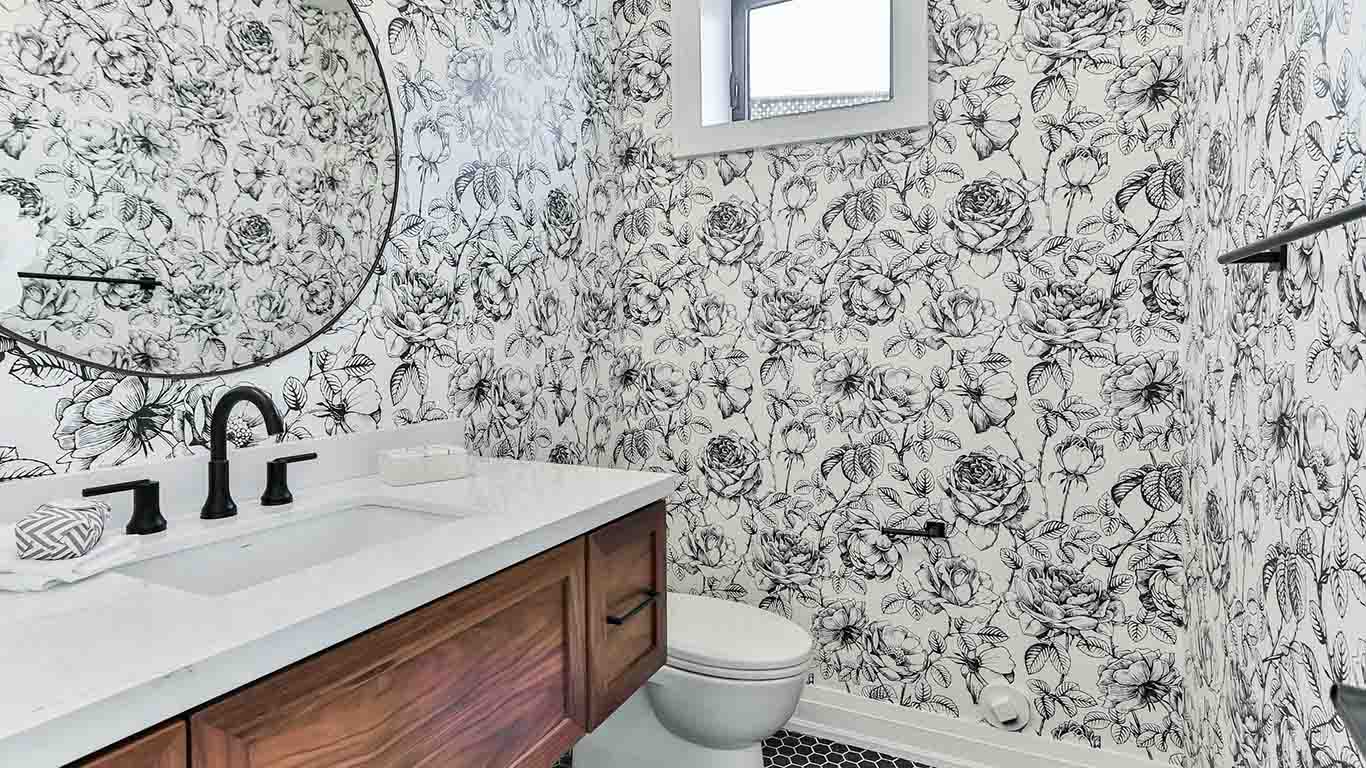
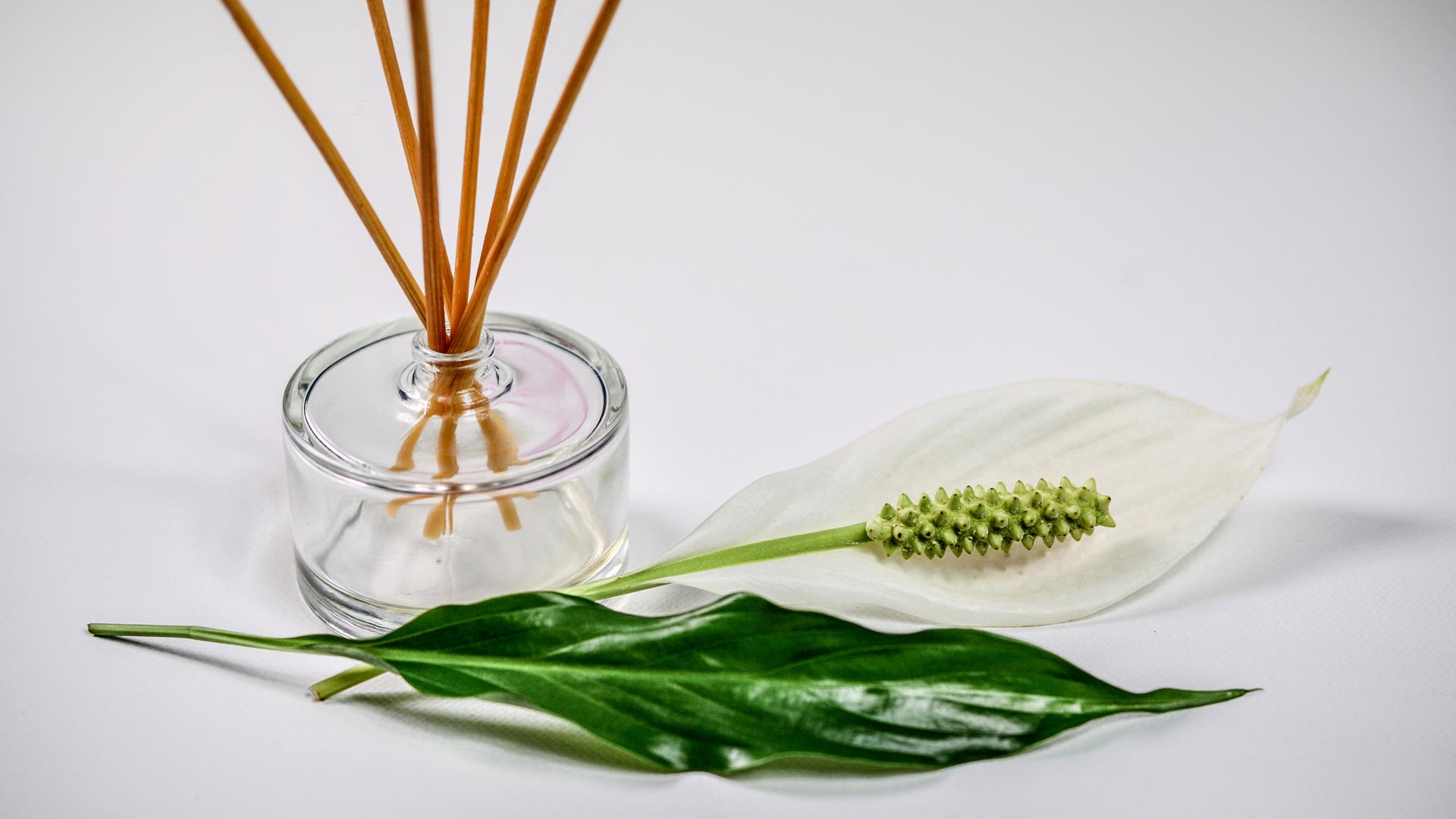
In the world of high-end home curation, we often obsess over the tactile and the visual. We debate the thread count of Egyptian cotton, the patina of reclaimed oak, and the exact Kelvin temperature of recessed lighting. Yet, the most immediate and visceral way we experience a space is through our sense of smell. Our olfactory system is the only sense with a direct line to the limbic system—the brain’s headquarters for memory and emotion.
This biological “fast-pass” is why the best fragrance candles have evolved from mere household accessories into precision-engineered tools for atmospheric architecture. A well-chosen scent doesn’t just “mask” the air; it defines the psychological boundaries of a room, creating an emotional anchor that signals safety, prestige, or productivity.
The Anatomy of a High-End Home Fragrance
To distinguish a luxury candle from a supermarket impulse buy, one must look at the “fragrance pyramid.” Sophisticated candles are built like fine perfumes, featuring layers that reveal themselves as the wax pool heats up.
- Top Notes: The initial impression. These are light, volatile molecules like citrus, bergamot, or ozone that you smell the moment you lift the lid.
- Heart Notes: The “personality” of the candle. These emerge after 20 minutes of burning—think of florals, spices, or “green” notes like tomato leaf or cut grass.
- Base Notes: The heavy hitters. These are the molecules that provide the “throw” (how far the scent travels) and linger in your curtains and upholstery long after the flame is out. Woods, musks, and resins form this foundation.
1. Zonal Scenting: Designing by Room Function
The most common mistake in home fragrance is the “one-scent-fits-all” approach. To truly utilize the best fragrance candles, you must match the aroma to the neurological needs of each specific zone.
The Home Office: Cognitive Clarity
When productivity is the goal, you need “sharp” scents. Research suggests that lemon and peppermint can reduce typing errors and increase mental alertness. In 2026, we are seeing a trend toward “savory gourmands” in workspaces—notes of rosemary, basil, and soft salinity that provide energy without the cloying sweetness of traditional floral candles.
The Living Room: The Social Anchor
The living room requires a “gregarious” scent—something that acts as a social lubricant. Woody and earthy scents like cedarwood, tobacco leaf, and amber create a warm, grounded environment. These scents encourage guests to linger and promote a sense of physical security.
The Master Suite: The Cortisol Reset
The bedroom is a sanctuary that requires low-volatility scents. While lavender is the traditional choice for reducing anxiety, the modern preference has shifted toward “skin scents”—creamy sandalwood, white musk, and vanilla orchid—which mimic the scent of clean linens and evoke a sense of nurturing.
2. The 2026 Trend Forecast: Realism and Complexity
The era of the “Sugar Cookie” or “Summer Breeze” candle is over. Today’s consumers are looking for “hyper-realism” and narrative complexity in their best fragrance candles.
- The Rise of Niche Fruits: We are seeing a move toward “sour” and “lifelike” fruit profiles. Think lychee, yuzu, and wild strawberry. These scents use new extraction techniques that capture the fruit’s tartness and “greenness” rather than just its sugar.
- Atmospheric Realism: Scents that replicate specific, complex environments are gaining traction. “Library” (paper, leather, and dust), “After the Rain” (petrichor and ozone), and “High Desert” (sage and sun-baked earth) are becoming staples for those seeking an immersive experience.
- Functional Fragrance: This category focuses on candles designed with high-purity essential oils that have measurable physiological effects, such as lowering the heart rate or improving respiratory flow.
3. The Ethics of the Burn: Clean Chemistry
As we become more conscious of indoor air quality, the composition of the wax and the wick is as important as the scent itself.
- Renewable Wax Foundations: Paraffin (a petroleum byproduct) has largely been replaced in the luxury sector by soy, coconut, and rapeseed waxes. These burn at a lower temperature, allowing fragrance oils to release more gradually and preventing the “scorched” smell often associated with cheap candles.
- Phthalate-Free Formulations: Leading brands are now strictly excluding phthalates and parabens, which were traditionally used as cheap fixatives but are now recognized as potential endocrine disruptors.
- Lead-Free Wicks: Ensure your candles use cotton, hemp, or FSC-certified wood wicks to avoid releasing heavy metal particulates into the air.
4. Maximizing Your Investment: Candle Hygiene
Even the best fragrance candles will underperform if they are not maintained. To ensure the best “throw” and a clean burn, follow these editorial standards:
- The First Burn is Final: Always burn your candle until the wax melts to the edges of the vessel. This prevents “tunneling,” which wastes expensive wax and traps the fragrance.
- Trim the Wick: Keep the wick at approximately 1/4 inch. A long wick creates a larger flame that burns through the oil too quickly, producing soot.
- Avoid Drafts: Placing a candle in a drafty area will cause it to burn unevenly and “blow” the scent away before it has a chance to settle and permeate the room.
Conclusion: The Final Layer of Home
Ultimately, a house becomes a home when it reflects the identity of those who live within it. While furniture and paint provide the visual identity, scent provides the emotional one. By moving away from the generic and embracing the artisanal, you turn your living space into a sensory sanctuary.
Stop treating fragrance as an afterthought. Look at your floor plan, consider your daily rituals, and start building your olfactory portrait. The most beautiful thing about your home should be the way it makes you feel the moment you walk through the door.