

You’ve probably noticed how even a simple dental checkup can trigger panic in kids.
But here’s something interesting: pediatric dental offices are now bringing in trained professionals who transform scary dental visits into manageable experiences.
If you’re looking for a kid friendly dentist office saskatoon or anywhere else, you’ll find these specialists making a real difference.
They work behind the scenes to help your child feel safe, understood, and prepared for what’s coming next.
What Exactly Does a Child Life Specialist Do?
Think of child life specialists as translators between medical procedures and a child’s understanding.
These professionals hold degrees in child development, psychology, or related fields. They don’t perform dental procedures. Instead, they focus entirely on your child’s emotional experience.
Their training combines developmental psychology with practical techniques that reduce stress before, during, and after dental work. Research from the American Academy of Pediatrics shows that children who receive proper psychological preparation experience 40-60% less anxiety during medical procedures. That’s not a small number when you consider how early dental trauma can create lifelong fears.
How Does Play Therapy Work in Dental Settings?
Play therapy isn’t just distraction. It’s a structured approach where your child processes fears through familiar activities. When specialists use dental tools as toys, they’re doing something powerful: removing mystery and replacing it with control.
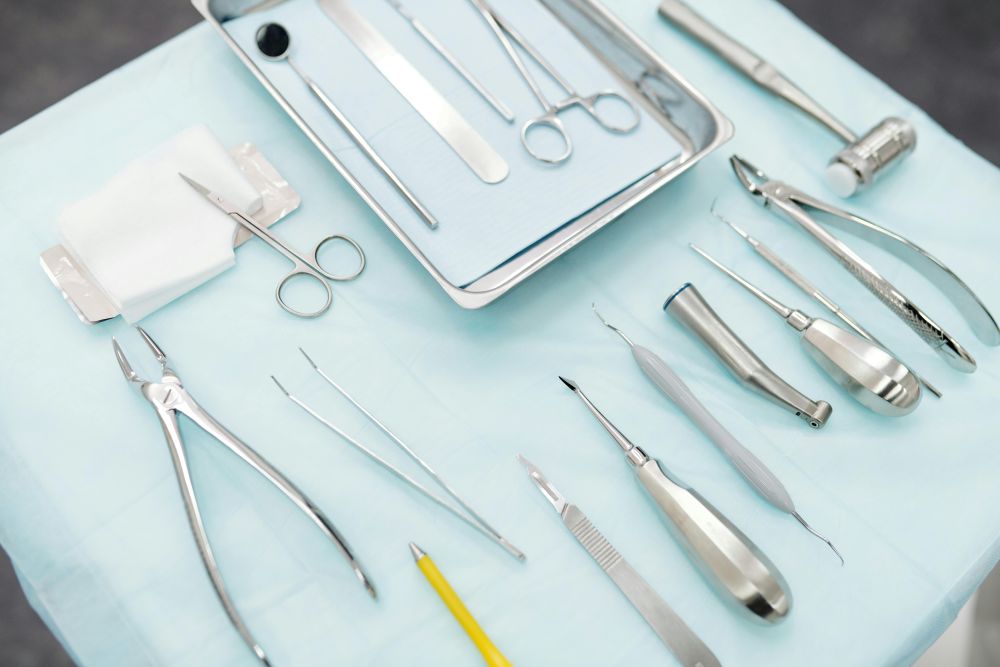
Here’s what typically happens. The specialist might show your child a dental mirror, let them hold it, and use it to count teeth on a stuffed animal first. This hands-on approach helps kids understand that tools aren’t weapons—they’re helpers. Studies indicate that children who interact with medical equipment before procedures show significantly lower cortisol levels (the stress hormone) during actual treatment.
| Play Therapy Technique | How It Reduces Fear | Best For Ages |
| Medical play with dolls | Lets kids act out procedures safely | 3-7 years |
| Procedural rehearsal | Walks through each step beforehand | 5-12 years |
| Sensory preparation | Introduces sounds, smells, and sensations | All ages |
The beauty of this approach? Your child gains predictability. And predictability kills fear faster than any promise that “it won’t hurt.”
Medical Preparation: More Than Just Explanation
You might think explaining a procedure is enough. But child life specialists take it further. They use age-appropriate language that matches how your child actually thinks.
For a 4-year-old, saying “The dentist will clean your teeth so the sugar bugs don’t build houses” works better than “We need to remove plaque buildup.
” For a 10-year-old, honest details about pressure sensations or brief discomfort build trust more than vague reassurances.
Pre-procedural tours make a massive difference too. When your child sees the dental chair, tries on safety glasses, and presses the chair buttons themselves, the environment becomes familiar territory instead of enemy ground.
A 2019 study in Pediatric Dentistry Journal found that children who received structured preparation showed 55% better cooperation during procedures compared to those who didn’t.
What Happens During the Actual Procedure?
Child life specialists don’t disappear when treatment starts. They stay present, often using distraction techniques that match your child’s developmental stage.
For younger kids, this might mean singing familiar songs or playing “I Spy.” For older children, it could involve guided imagery where they visualize themselves somewhere safe and comfortable.
Positioning matters too. Specialists might suggest your child hold a comfort item or maintain eye contact with you during procedures.
These aren’t random choices—they’re evidence-based interventions that activate your child’s parasympathetic nervous system, which naturally calms the body.
One technique called “three-part breathing” works surprisingly well with kids as young as 5. The specialist coaches your child to breathe in for three counts, hold for three, and release for three. This simple rhythm interrupts panic responses and gives your child an active coping tool they can use independently.
Does This Actually Prevent Long-Term Trauma?
Short answer: yes. Research from the Journal of Clinical Pediatric Dentistry tracked children over 5 years and found that those who worked with child life specialists showed significantly lower rates of dental anxiety as they grew older.
They were also more likely to maintain regular dental visits into adolescence.
The key word here is “trauma.” We often think trauma requires a single terrifying event, but repeated stressful experiences without proper support create what researchers call “cumulative stress.”
When kids face dental procedures without emotional support, each visit adds another layer of fear. Child life specialists interrupt this cycle by teaching your child that medical experiences can be tolerable and even manageable.
How Can You Support This Process at Home?
You don’t need professional training to reinforce what child life specialists do. Start by watching your own language around dental visits.
Phrases like “It’ll be over quickly” or “Don’t worry” actually increase anxiety because they confirm something scary is coming.
Instead, try: “The dentist will check your teeth. Sometimes it feels weird, but your body can handle weird feelings.” This acknowledges reality without catastrophizing it.
Reading books about dental visits helps normalize the experience. Let your child ask questions without jumping in with reassurance.
Sometimes kids just need to voice fears without having them immediately dismissed.
Table of home support strategies:
| What You Can Do | Why It Works |
| Practice opening wide at home | Builds muscle memory for cooperation |
| Name feelings without fixing them | Validates emotional experience |
| Celebrate small wins | Reinforces brave behavior |
Remember, you’re not trying to eliminate all fear. You’re teaching your child that they can feel scared and move forward anyway.
That’s a life skill that extends far beyond the dental chair.
When you’re choosing a kid friendly dentist office saskatoon has options, look for practices that integrate child life specialists or similar support roles.
The investment in your child’s emotional health during dental visits pays dividends you’ll see for years to come.