
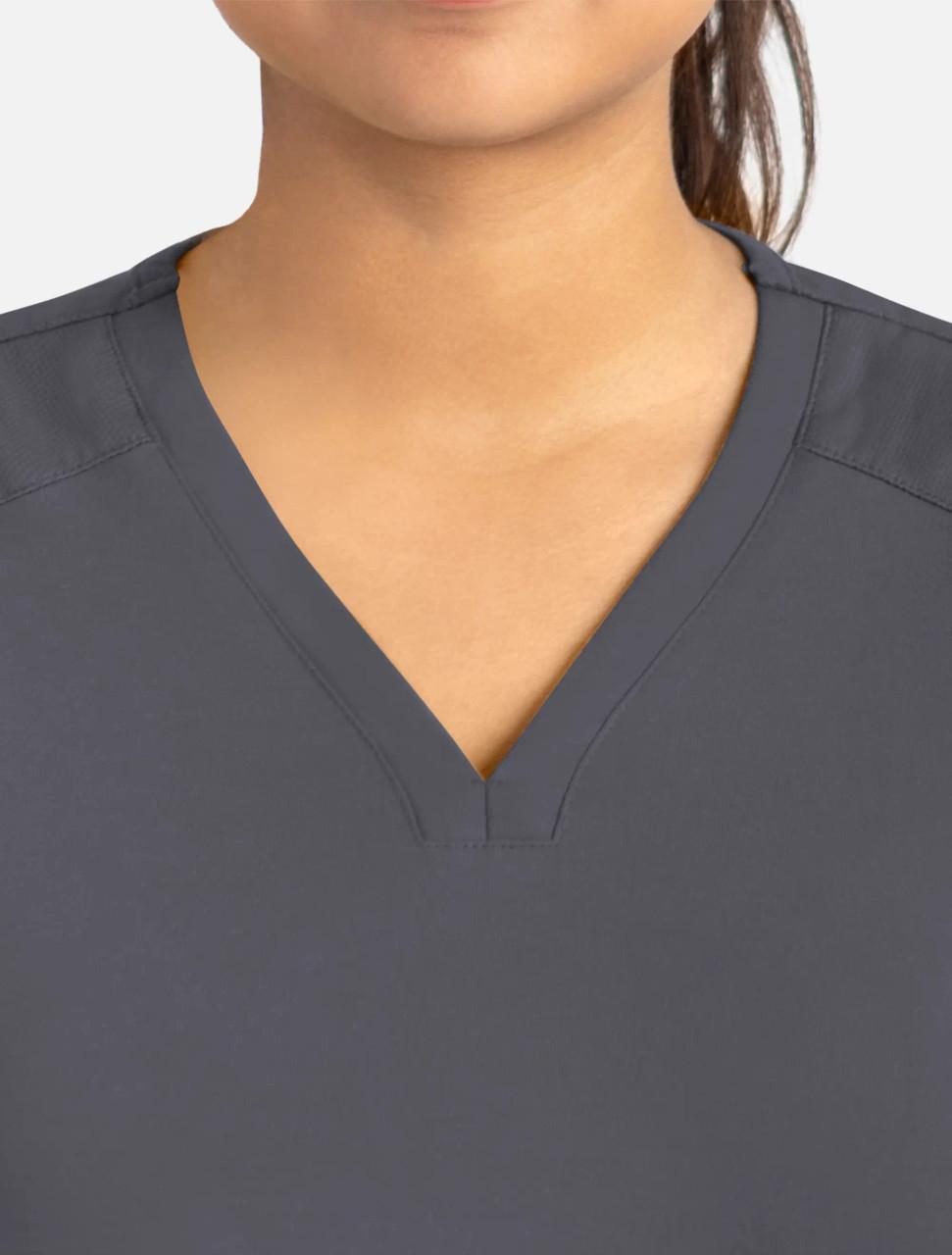
Healthcare workers know the struggle – one minute you’re caring for patients, the next you’re staring at stubborn stains on your Maevn Focus scrubs.
Blood and betadine seem to have a personal vendetta against medical uniforms, but you don’t need harsh bleach to win this battle.
What Makes These Stains So Stubborn?
Blood contains proteins that bond tightly with fabric fibers when they dry. Betadine, an iodine-based antiseptic, creates oxidation stains that penetrate deep into the material.
Both stains become significantly harder to remove once they set, which is why quick action matters.
Research from textile science shows that protein-based stains like blood can permanently bond with fabric if exposed to heat before proper treatment. That’s why hot water is your enemy here.
The Cold Water Rule That Actually Works
Never use hot water on fresh blood or betadine stains. Heat causes proteins to coagulate and essentially “cook” into your scrubs. Cold water keeps the stain loose and workable.
Here’s what happens at the molecular level: cold water prevents protein structures from tightening, while hot water causes them to clump together and grab onto fabric fibers more aggressively.
Your Arsenal Against Blood Stains
Method 1: Hydrogen Peroxide Treatment
Hydrogen peroxide breaks down blood through oxidation. Pour a small amount directly on the stain and watch it foam – that’s the peroxide working on the proteins.
- Rinse with cold water first
- Apply 3% hydrogen peroxide directly to the stain
- Let it foam for 2-3 minutes
- Rinse thoroughly with cold water
- Wash normally in cold water
Warning: Test on a hidden area first, as peroxide can lighten some fabrics.
Method 2: Enzyme Detergent Paste
Enzyme detergents contain proteases that literally eat away at protein-based stains. Mix the enzyme detergent with cold water to create a thick paste.
Apply this paste to the stain and let it sit for 15-20 minutes before washing. The enzymes need time to break down the protein structures.
Tackling Betadine the Smart Way
Betadine stains are tricky because they’re oxidation-based rather than protein-based. You need a different approach here.
The Sodium Thiosulfate Solution
Sodium thiosulfate (available at photography supply stores) neutralizes iodine stains effectively. Mix one teaspoon with a cup of water and apply to the stain.
This chemical reaction converts the iodine into a water-soluble compound that rinses away easily. Let it work for 5 minutes, then rinse and wash normally.
White Vinegar Alternative
If you can’t find sodium thiosulfate, white vinegar works as a backup option. The acetic acid helps break down iodine compounds, though it’s less effective than the photography fix solution.
Mix equal parts white vinegar and cold water, apply to the stain, and let sit for 10 minutes before rinsing.
How Long Do You Have Before Stains Set?
| Stain Type | Time to Set | Best Removal Window |
| Fresh Blood | 30-60 minutes | Within 15 minutes |
| Dried Blood | Immediate | Within 24 hours |
| Betadine | 15-30 minutes | Within 10 minutes |
The data shows you have a narrow window for optimal stain removal. After these timeframes, you’ll need more aggressive treatment methods.
Prevention Strategies That Actually Help
Fabric protectors create a barrier that makes stains easier to remove. Spray your scrubs with a fabric protector every few washes – it’s like insurance for your uniform.
Consider keeping a stain removal pen in your pocket for immediate treatment. The faster you act, the better your chances of complete removal.

What Not to Do?
Don’t use bleach on blood stains – it can actually set the stain permanently by altering the protein structure. Many healthcare workers make this mistake, thinking stronger chemicals work better.
Avoid scrubbing aggressively, which pushes the stain deeper into fabric fibers. Instead, blot and rinse from the outside of the stain toward the center.
When Professional Help Makes Sense?
Some combination stains (blood mixed with other bodily fluids) may need professional dry cleaning. If home methods fail after two attempts, take your Maevn Focus scrubs to a cleaner who specializes in medical uniforms.
Professional cleaners have access to stronger enzymes and specialized equipment that can handle stubborn stains without damaging the fabric’s antimicrobial properties.
Remember, your scrubs are an investment in your professional appearance. Taking proper care of them saves money in the long run and keeps you looking sharp throughout your healthcare career.